Top Lists
Best Five Tools For Daily Performance
Discover the best five tools that boost daily performance and productivity. Learn how structured digital planning, automation, and focus strategies transform your workflow—no hype, just real results.
Advertisement
Ever had a day unravel by lunchtime and you’re left wondering where all your focus slipped? The best five tools create structure, cut distractions, and maximize your results.
Daily performance isn’t about sheer willpower. Consistent routines, reality-tested apps, and a clear environment help you do your best work — and actually feel satisfied as your day wraps.
Take a short journey through the best five tools tailored for daily performance. You’ll find practical advice, realistic scenarios, and clear steps to sharpen each productive hour.
Create Momentum With A Digital To-Do System That Fits Your Workflow
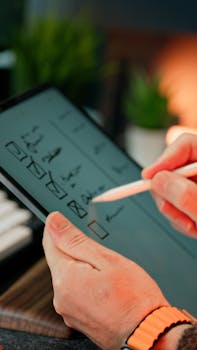
Building strong days starts with the right to-do system. Choosing from the best five tools, you’ll clearly map tasks, set priorities, and knock out work that matters.
People notice they work faster when details are out of their heads and into an intuitive, customizable app. Start by trying several and notice what actually gets checked off.
Trial Run — Comparing Popular Digital Planners
Emma, a freelance designer, rotates between tools for two weeks. She tells herself, “What’s easiest to update when projects drop in mid-day?” and logs her energy levels after each day.
By week two, Emma sees the differences in clarity and follow-through. She ditches any planner that requires too many steps or hides key features in menus.
With enough experimentation, picking from the best five tools means you keep the one that makes next-actions obvious and progress visible by dinner.
Rule: Keep Tasks Bite-Size or They Won’t Move
If you can’t picture finishing a task in one sitting, break it up. When tools encourage chunking work, you avoid dread and start each session with a small but real win.
“Email clients on Monday,” for instance, becomes, “Write template email, gather addresses, send batch #1.” The best five tools let you nest steps and reorder them on the fly.
Big-picture plans fade if you never check off small moves. Always rewrite any list item that feels like procrastination-to-be, using quick verbs: draft, call, gather, update.
| App Name | Visual Style | Best Feature | Quick Takeaway |
|---|---|---|---|
| Todoist | Simple, clean | Collaborative lists | Try for easy team planning |
| Trello | Card-based | Visual board sorting | Best for seeing workflows |
| Things | Minimal, modern | Natural language input | Great for solo focus |
| Notion | Highly customizable | Rich integrations | Build your custom setup |
| Microsoft To Do | List-based | MS Office tie-in | Seamless for Microsoft users |
Eliminate Distractions And Regain Hours With App Blockers
The best five tools for focus let you block distracting apps and websites with a single tap. Watch your hours stack up as distractions drop to zero and real work climbs.
People using these tools say their phone becomes less seductive and deep thinking returns. Try blocking just social and news apps for one test morning session.
Filter Out Low-Value Notifications
Go through your notifications settings, turning off everything except calendar reminders, texts from family, and alarms. If an alert never leads to real action, switch it off.
- Uninstall unused social media: This slashes the temptation to check expired feeds, freeing attention instantly for more meaningful tasks on your best five tools.
- Batch notifications: Set times for email and messaging apps. You regain focus by keeping communication scheduled, so every check-in has a clear intent and an endpoint.
- Silence during deep work: Use your device’s focus mode or Do Not Disturb. Announce, “I’m unavailable for the next hour,” and dive into tasks uninterrupted.
- Move your phone out of sight: Place it in another room or drawer when on a deadline. Out of sight, out of mind — your attention sticks where you aim it.
- Replace wasted time: Set a timer and swap ten minutes of scrolling for a stretch or walk. Notice the energy shift, as your best five tools become more engaging when you return.
Notice the difference in completion rates and mood when distractions are filtered. The best five tools show their impact as your mental space opens and stress drops.
Scenario: The Power Of A 60-Minute Deep Work Block
A student, David, schedules one uninterrupted hour each morning. He sets his app blocker, places his phone face down, and says, “I’m only writing my report, nothing else.”
During this block, he keeps a sticky note for stray thoughts. Once the hour is over, he uses his best five tools to check tasks and notes, adjusting his plan only then.
- Set a visible timer: Use physical or app timers for clear start and finish cues, building trust in your ability to focus on what matters through your best five tools.
- Alert a partner: Tell someone, “No texts or calls in the next hour,” reducing interruptions. Even sharing intentions increases accountability and strengthens your commitment to the task.
- Post-block reset: After your deep work session, stand up, stretch, drink water, and reflect on what went right. Over time, this routine wires your brain for effortless focus.
- Log wins: Track finished work in your digital planner. Noting tangible progress with your best five tools turns every day into a series of small, visible victories.
- Follow with a reward: After you hit your target, take ten minutes for a favorite activity. This encourages repeating the cycle until discipline becomes second nature.
By embedding structured focus into your daily routine, you’ll notice gains in everything you do. Your best five tools work best when they operate in a distraction-free system.
Automate Repetitive Workflows To Save Time And Avoid Burnout
For anyone balancing overlapping responsibilities, automation removes low-value work. The best five tools here let you link apps, auto-send files, and streamline repetitive actions.
A few clicks up front save hours this week. Look for options offering recipes, templates, or drag-to-connect automation — so you can upgrade routines without learning code.
Scenario: Automating Routine Reports At Work
Maria, a project manager, ties together her calendar, file storage, and messaging app. Every week, her report populates and sends with ten minutes’ setup in her best five tools.
This frees her energy for client calls rather than digital housekeeping. As she delegates even more with automation, inbox overload finally stops feeling inevitable.
The trick is reviewing your repetitive tasks, then researching automation features in your current toolkit. Each setup builds long-term stamina and clarity into daily work.
Checklist: Build And Test Automations One At A Time
Start small: choose a repetitive action that takes under five minutes per day. Pick an automation tool from your best five tools list that directly supports the apps you use most.
Write your steps on paper before you build it. Test once manually to catch mistakes. Set up the automation, check for glitches, and tweak as needed. Repeat for new tasks monthly.
After a month with automations in place, your routine runs on rails. Stress goes down and accountability goes up, making best five tools part of your everyday system.
Leverage The Best Five Tools For Lasting Performance Gains
Fresh structure and automation make tasks smoother and your days more productive. Using the best five tools isn’t magic, but practical routines paired with smart tech yield real results.
Every system you implement creates room for focus, fewer distractions, and mental clarity. These best five tools serve different needs, but together, they keep momentum steady and burnout at bay.
Start experimenting, notice which best five tools naturally fit your style, and gradually build a robust toolkit. The strongest daily performance comes not from luck — but from choosing your methods with intention.